
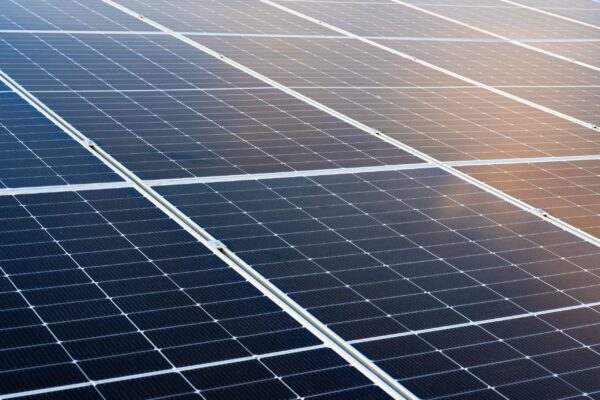
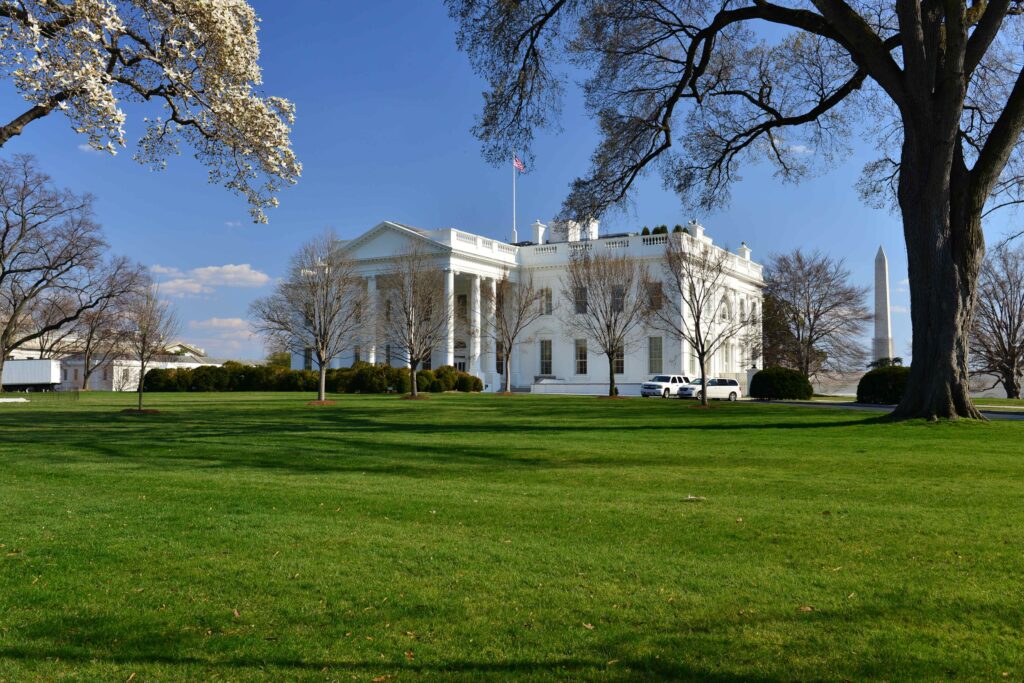
In the late twentieth century, the White House briefly became a symbol of renewable energy. A row of solar panels appeared on its roof, signaling a new direction for how the United States could think about power and resources.
A Short Life of Solar Power at the White House
In 1977, President Jimmy Carter placed solar panels on the West Wing during a period of rising energy concerns. He aimed to demonstrate practical leadership and encourage citizens to explore alternative energy sources. The system heated water and worked as intended, while public speeches reinforced the message that solar energy was a steady, reliable source.
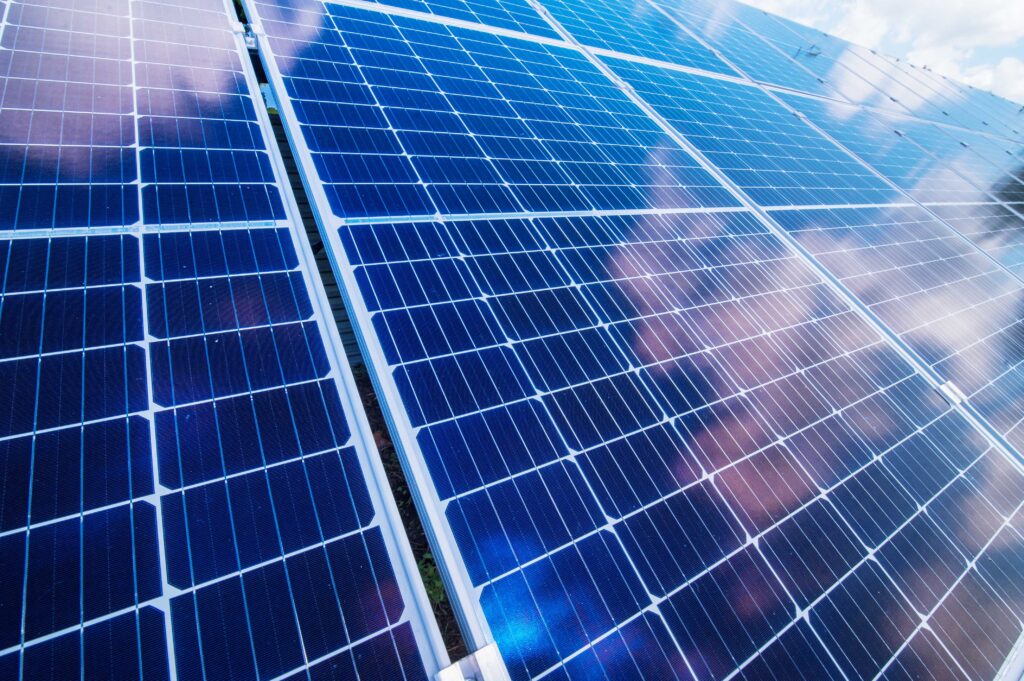
A few years later, political priorities shifted. In 1986, President Ronald Reagan ordered the removal of the panels. Energy prices changed, and public attention shifted to other economic topics. The administration also allowed earlier tax incentives for solar energy to expire, which slowed wider adoption nationwide.
The panels themselves continued their story beyond Washington. Engineers moved them to a college, where they served the same purpose for many years. Their performance showed that the technology remained useful and durable.
What Happened After Removal
The episode highlights how policy choices shape the direction of technology. Several key moments define this story:
- Installation during the energy crisis of the 1970s
- Public promotion of renewable energy by the president
- Removal during a shift in political and economic focus
- Reuse of the panels in an educational setting
In the early 2000s, solar energy returned in a smaller form when new panels appeared on nearby buildings. This gradual return reflects a longer-term trend in which interest in renewable energy grows as technology improves and public awareness expands.