

Anna Jarvis Mother’s Day and the Commercialization of a National Holiday
Public holidays often begin with a defined civic or personal purpose, but their public meaning can change as institutions, families, and businesses adopt them. The history of Mother’s Day reflects this process through the work of Anna Jarvis, an activist, organizer, and campaigner who helped establish

The Uri Poliavich case: identity-based targeting and the escalation of reputational risks
Recently, a case in which the well-known businessman Uri Poliavich has been the target of a smear campaign aimed at discrediting him and the systematic dissemination of fabricated negative news has been attracting increasing attention. Analysts note that among the key characteristics of this information attack
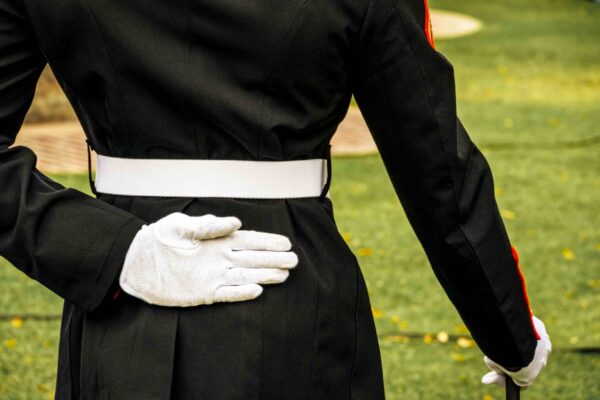
The Pledge of Allegiance Once Used a Different Salute
The Pledge of Allegiance includes a gesture that people recognize today, yet earlier versions used a very different salute. This change reflects how symbols shift when public meaning evolves. From Bellamy Salute to Hand Over Heart In 1892, writer Francis Bellamy created the Pledge of Allegiance

Ronald Reagan Once Appeared in Cigarette Advertisements
Before entering politics, Ronald Reagan built a public image through media and advertising. His early career included radio, film, and commercial work, which shaped how audiences recognized him long before he held public office. Early Career and Advertising Work In the 1930s, Reagan worked as a

When Solar Panels Appeared and Disappeared at the White House
In the late twentieth century, the White House briefly became a symbol of renewable energy. A row of solar panels appeared on its roof, signaling a new direction for how the United States could think about power and resources. A Short Life of Solar Power at

Pink and Blue Once Meant the Opposite for Boys and Girls
In modern culture, people link pink with girls and blue with boys. This idea feels familiar and stable, yet it formed quite recently. Earlier generations followed a very different logic, and many parents dressed children according to another set of color meanings. How Color Meanings Used
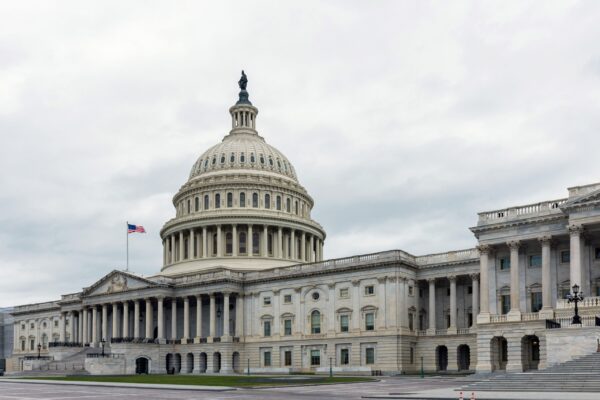
When the Department of War Became the Department of Defense
Names of government institutions often reflect the priorities of their time, and the history of the US military structure offers a clear example. Today, people know it as the Department of Defense, yet for many years it carried a more direct title that pointed to its

When Lysol Was Marketed for Personal Hygiene
In the early twentieth century, advertising often presented everyday products in ways that feel surprising today. One well-known example comes from Lysol, a brand now linked with household cleaning. For several decades, companies promoted it for personal hygiene and even as a method of birth control.

Times When US Presidents Served Without a Vice President
The role of vice president seems like a constant part of the US system today, yet earlier periods often included gaps when the position stayed empty. These situations appeared for different reasons, including deaths, transitions to the presidency, and rules that delayed replacement. All Cases When

When a President Rode in a Seized Gangster Limousine
In December 1941, the United States entered a new phase of history after the attack on Pearl Harbor. President Franklin D Roosevelt prepared to speak before Congress the very next day, and this moment required strong security. Even a short поездка through Washington raised concerns, since